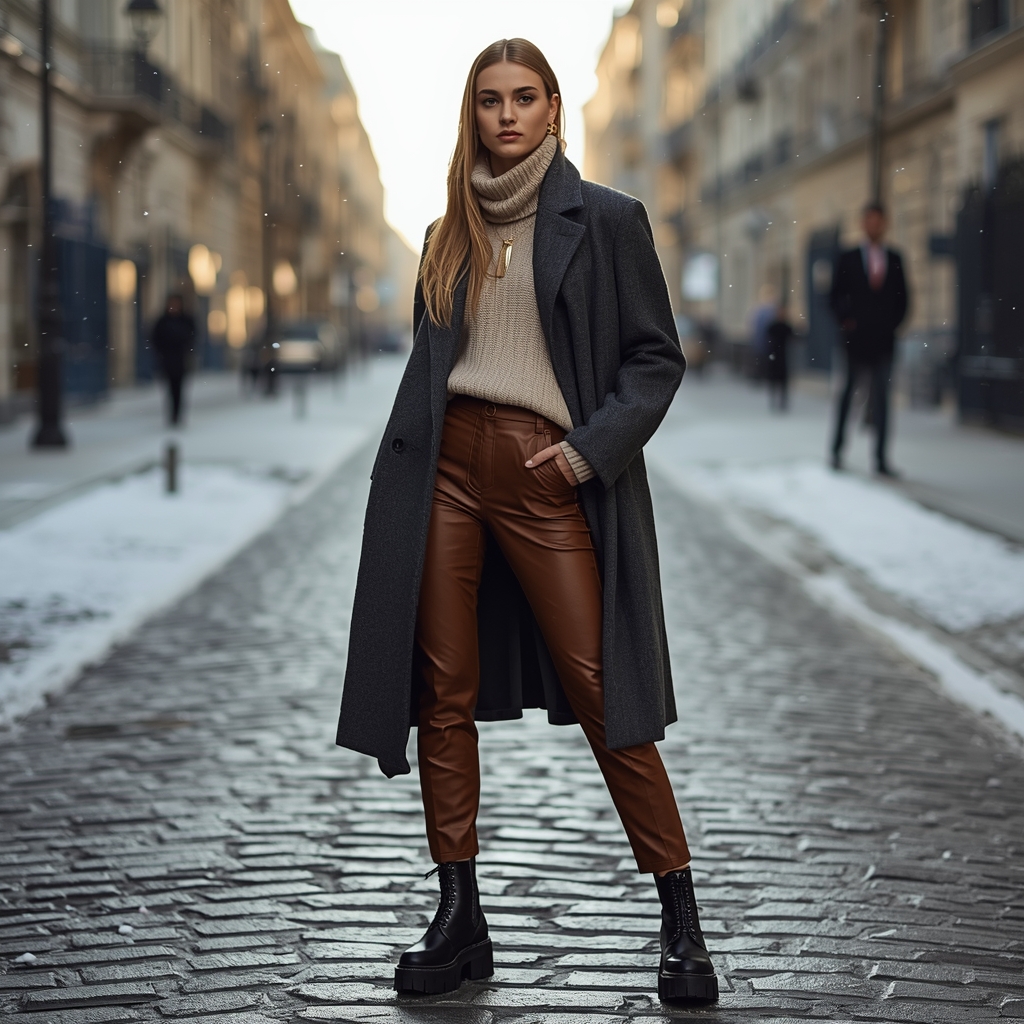
Winter always looks great in photos—layered coats, boots, scarves—but in real life, it can get frustrating fast. I’ve had mornings where I thought I dressed perfectly, only to feel freezing outside or overheated indoors within an hour. After a few winters of trial and error, I started figuring out what actually works—not just stylish outfits, but practical ones you can wear all day.
Styloriaa life is based on that experience. It’s not about chasing trends. It’s about building winter outfits that keep you warm, comfortable, and still look put together whether you’re heading to work, traveling, or just stepping out for coffee.
1. The Biggest Lesson I Learned: Layering Done Right
The turning point for me was understanding layering. I used to think layering meant just adding more clothes. That’s not how it works.
What actually works:
- Base layer: Something soft and close to the skin (like a thermal or fitted shirt)
- Mid layer: Adds warmth (sweater, hoodie)
- Outer layer: Protects from wind and cold (coat or jacket)
What I used to do wrong:
I would wear one thick sweater and a heavy jacket. It felt warm outside but unbearable indoors. Proper layering lets you remove pieces easily depending on where you are.
2. Everyday Casual Winter Outfit


This is my most-used winter combination for daily errands, casual meetups, or quick outings.
Simple formula:
- Basic thermal or T-shirt
- Sweater or hoodie
- Jeans or warm trousers
- Jacket or coat
- Sneakers or boots
Why it works:
It’s flexible. If the weather warms up during the day, I can remove the jacket and still feel comfortable.
Real-life example:
I wore this setup during a full day out—morning grocery run, afternoon café, and evening walk. I only adjusted by removing my jacket indoors.
3. Smart Casual / Work Outfit
Dressing for work in winter used to be tricky. I wanted to look professional but still stay warm during commutes.
Outfit formula:
- Thermal base layer
- Button-down shirt or blouse
- Sweater or cardigan
- Wool coat or structured jacket
- Trousers and boots or formal shoes
What helped me:
Switching to lightweight thermals changed everything. They add warmth without bulk, so outfits still look clean.
Mistake I made:
Skipping the base layer and relying only on outerwear. The result? Still feeling cold, especially during early mornings.
4. Travel-Friendly Winter Outfit


Winter travel taught me to prioritize comfort over everything.
My go-to travel outfit:
- Soft thermal or long-sleeve shirt
- Hoodie or sweatshirt
- Stretchable pants or joggers
- Warm jacket
- Comfortable sneakers
Why this works:
Airports and flights can be unpredictable—sometimes too cold, sometimes warm. Layers let you adjust easily.
Tools I use:
- Weather apps to check both departure and arrival temperatures
- Notes app to plan outfits before packing
- Packing cubes to organize layers
Practical tip:
Avoid heavy boots during travel. They’re hard to remove at security and uncomfortable during long sitting hours.
5. Winter Evening or Dinner Outfit
Evenings are where I like to dress a bit better, but still keep things practical.
Outfit idea:
- Knit dress or sweater + trousers
- Long coat
- Boots or clean shoes
- Simple accessories (scarf, watch)
Real-world use:
This works well for dinners, casual events, or meeting friends. I often stick to darker colors in the evening—it just feels more suitable.
Small habit:
I always check if the place is indoors or outdoors. If it’s mostly indoors, I keep layers lighter.
6. Cold Weather (Extra Chilly Days)


Some days are just colder than usual, and regular outfits aren’t enough.
What I wear on very cold days:
- Thermal top and bottom
- Thick sweater
- Insulated jacket (like a puffer)
- Scarf, gloves, and beanie
- Warm boots
Lesson learned:
Accessories matter more than I thought. A good scarf and gloves can make a huge difference in comfort.
7. Building a Practical Winter Wardrobe
I used to think I needed lots of winter clothes. Over time, I realized a few good pieces are enough.
My core winter wardrobe:
- 2–3 sweaters
- 1–2 jackets or coats
- 1 thermal set
- 2 pairs of trousers or jeans
- 1 pair of boots
- 1–2 scarves
Why this works:
Everything can be mixed and matched. It saves time and avoids clutter.
Real example:
The same black coat I use for work also works for evening outings—just changing inner layers creates a different look.
8. Common Mistakes I Made (So You Don’t Have To)
1. Wearing too many bulky layers
It restricts movement and feels uncomfortable indoors.
2. Ignoring fabric quality
Cheap materials don’t retain warmth properly.
3. Choosing style over warmth
Looking good doesn’t matter if you’re freezing.
4. Not planning for indoor heating
Many places are heated, so overdressing becomes a problem.
9. Step-by-Step: How I Plan a Winter Outfit
This is the exact process I follow now:
Step 1: Check the weather
Temperature and wind matter a lot in winter.
Step 2: Start with a base layer
Thermals or long-sleeve tops depending on cold level.
Step 3: Add warmth
Sweater or hoodie based on comfort.
Step 4: Choose outerwear
Light jacket or heavy coat depending on conditions.
Step 5: Pick footwear
- Boots for cold or wet conditions
- Sneakers for dry weather
Step 6: Add accessories if needed
Scarf, gloves, or hat depending on temperature.
This system saves time and prevents overthinking every morning.
10. Tools That Help Me Stay Organized
Even though clothing is physical, a few tools make winter outfit planning easier:
- Weather apps – for accurate temperature and wind updates
- Notes apps – I save outfit combinations that worked well
- Pinterest – for ideas when I feel stuck
- Wardrobe apps (optional) – to track what I wear
These tools help me avoid repeating outfits that didn’t work in certain conditions.
11. What Actually Improved My Winter Style
The biggest improvement didn’t come from buying more clothes. It came from understanding how to use what I already had.
What made the difference:
- Learning proper layering
- Investing in a good jacket
- Using thermals instead of bulky clothes
- Keeping outfits simple and repeatable
Once I focused on comfort first, everything else—style, confidence, ease—naturally improved.
Final Thoughts
Winter outfits don’t have to be complicated or expensive to work well. Once you understand layering and choose the right pieces, getting dressed becomes much easier.
What worked best for me was creating a simple system: start with a base, add warmth, and finish with outerwear depending on the weather. Over time, this removed the daily struggle of figuring out what to wear.
At this point, I don’t spend much time thinking about winter outfits anymore. I just know what works, and I repeat it with small changes. That consistency makes winter dressing feel less like a challenge and more like something I’ve already figured out.
Leave a Reply