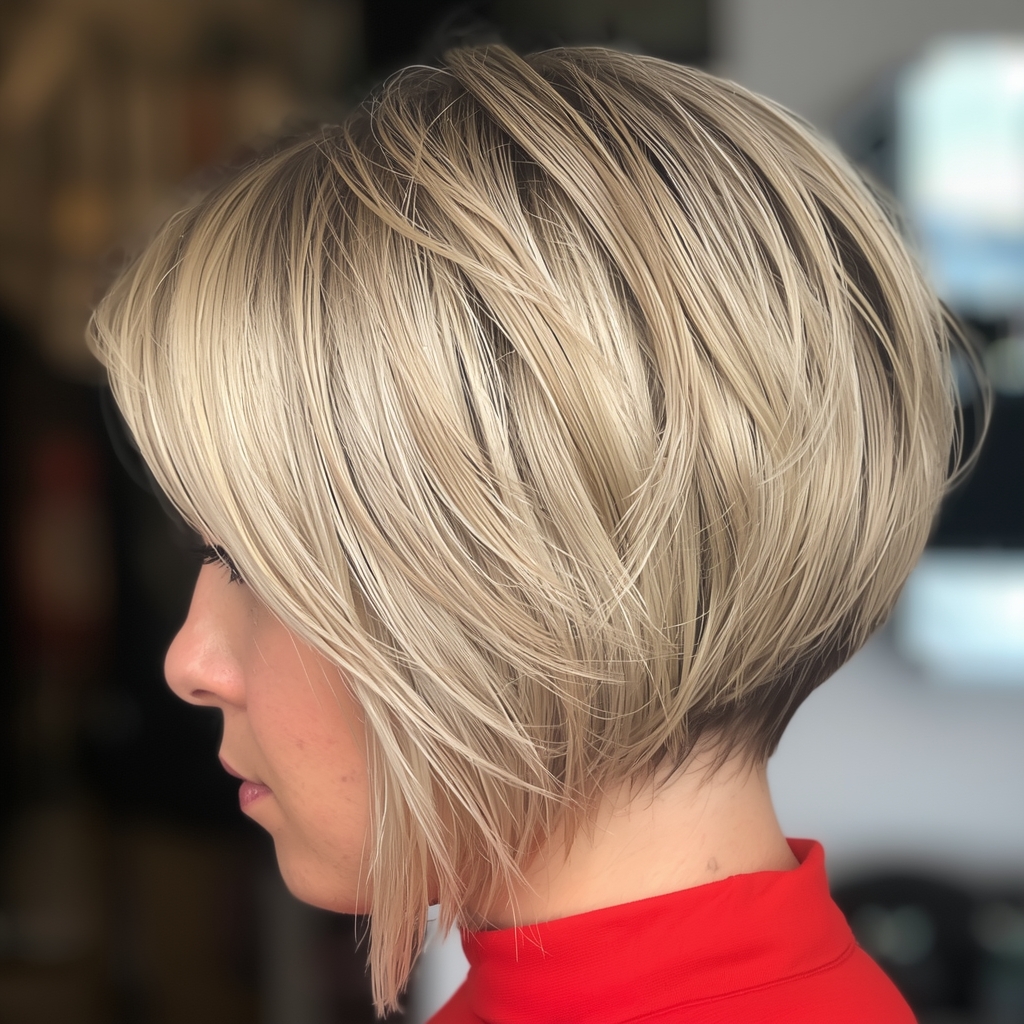
In the cyclical world of beauty and fashion, what was once old inevitably becomes new again—but rarely does a trend return with as much grace and versatility as the Feathered Haircut. Born in the disco-fueled era of the 1970s and immortalized by icons like Farrah Fawcett, the feathered look was once the gold standard of glamour. After a few decades of dormancy, it has undergone a sophisticated metamorphosis, re-emerging as one of the most requested styles in modern salons.
Today, the feathered haircut is no longer just a vintage throwback. It has evolved into a high-texture, high-volume technique that breathes life into limp strands and adds an ethereal, airy quality to thick manes. Whether it is appearing on TikTok as the “Butterfly Cut” or in high-fashion editorials as the “Soft Shag,” feathering is the technique behind the world’s most dynamic hair.
In this professional guide, we will explore the history, technical execution, and modern variations of the feathered haircut, proving why this timeless style is the ultimate solution for anyone seeking effortless movement.
What Exactly is a Feathered Haircut?
The term “feathered” refers to a specific cutting technique used to give hair a soft, wispy appearance, much like the overlapping feathers of a bird. While many people confuse feathering with standard layering, there is a distinct technical difference.
Layering is a technique where the stylist cuts different lengths of hair throughout the head to create volume and remove weight. Feathering, on the other hand, focuses primarily on the ends of the hair and the direction of the cut. The hair is typically parted down the middle and cut at an angle, then textured with shears or a razor to create a fine, tapered finish.
The hallmark of a feathered cut is its outward-facing “swoop.” The layers are designed to flick away from the face, creating a breezy, wind-swept look that highlights the facial features rather than hiding them.
The Evolution: From Farrah to the Modern “Butterfly”
To understand the feathered haircut, one must look at its journey through the decades.
-
The 1970s: This was the era of the “Mega-Feather.” Led by Farrah Fawcett in Charlie’s Angels, the look featured extreme volume at the crown and dramatic, wing-like flips at the sides. It was a statement of freedom and high-octane glamour.
-
The 1980s: Feathering became softer and shorter. Princess Diana’s iconic short feathered cut brought a sense of royal sophistication to the trend, proving that feathering worked just as well on short hair as it did on long.
-
The 1990s: The style evolved into the “shag” and “the Rachel,” utilizing feathered ends to create the piecey texture that defined the decade.
-
The 2020s: Today, we see the “Butterfly Cut” and the “Matilda Djerf Aesthetic.” Modern feathering is more blended and “expensive-looking.” It focuses on healthy, shiny hair with soft, cascading face-framing pieces that provide volume without looking dated.
Why the Feathered Cut Works: The Benefits
As a professional styling choice, the feathered haircut offers several unique advantages that make it a favorite among stylists:
1. Weightless Movement
For clients with heavy, thick hair, a blunt cut can feel like a burden. Feathering removes “bulk” from the perimeter without sacrificing the overall length. This allows the hair to move naturally when the wearer walks or turns their head.
2. Versatility Across Lengths
Unlike many trends that only work for long hair, feathering is an “equal opportunity” technique. A feathered pixie is sophisticated and edgy, while a feathered long cut is romantic and lush.
3. Facial Contouring
Because feathering involves cutting hair away from the face in a diagonal motion, it acts as a natural frame. It can highlight cheekbones, soften a strong jawline, and open up the eye area.
4. Low-Maintenance Growth
Because the ends are tapered and wispy rather than blunt, the “grow-out” phase of a feathered cut is incredibly forgiving. You won’t experience the awkward, jagged stages that come with more geometric haircuts.
Choosing the Right Feathering for Your Face Shape
A professional feathered cut should be bespoke—tailored to the individual’s facial geometry.
-
Round Faces: To avoid adding width to the sides of the face, the feathering should start below the chin. Adding height at the crown through shorter top layers can help elongate the face.
-
Square Faces: Use soft, wispy feathering around the jawline to break up the strong angles. The “flicked-out” ends provide a beautiful contrast to a structured jaw.
-
Heart-Shaped Faces: Feathering that starts at the cheekbones and adds volume around the chin helps balance a wider forehead and a narrower lower face.
-
Oval Faces: This shape can handle extreme feathering. You can experiment with shorter, more dramatic “wings” that start at the brow line.
The Professional Technique: Razor vs. Shears
The tool your stylist chooses will dictate the “vibe” of your feathered haircut.
-
The Razor Cut: For the most authentic, wispy feathered look, many stylists prefer a straight razor. The razor “carves” the hair, creating incredibly fine, tapered ends that have an airy, lived-in feel. This is ideal for medium-to-thick hair.
-
Point-Cutting (Shears): For those with fine or fragile hair, traditional shears are used. The stylist will use “point-cutting”—sniping into the ends of the hair at an upward angle—to create the feathered effect without thinning the hair out too much.
How to Style Your Feathered Haircut
The feathered cut is a “stylist’s cut,” meaning it truly comes to life with a blowout. Here is the professional routine for achieving that signature 70s-meets-modern swoop:
-
Prep for Volume: Apply a volumizing mousse to damp hair, focusing on the roots. Feathering looks best when there is “lift” at the top of the head.
-
The Round Brush Technique: This is non-negotiable. Use a large ceramic round brush. As you dry each section, pull the hair away from your face. When you reach the ends, roll the brush backward and hold it for a few seconds (or use the “cool shot” button on your dryer) to set the “flick.”
-
The “Velcro Roller” Secret: For maximum Farrah-inspired volume, pop a few large Velcro rollers into the top sections of your hair while it’s still warm from the dryer. Leave them in for 10 minutes.
-
Finish with Texture Spray: Avoid heavy waxes or oils, which will weigh down the “feathers.” Instead, use a dry texture spray or a light-hold hairspray. Flip your head upside down, spray, and flip back for that perfect, airy finish.
Maintenance and Care
While the grow-out is easy, keeping the ends of a feathered cut looking sharp requires some attention.
-
Regular Dusting: Because feathered ends are thin and tapered, they can be more susceptible to split ends. A “dusting” (a very light trim) every 8 weeks will keep the shape looking fresh.
-
Heat Protection: Since styling this cut usually involves a blow dryer and a round brush, a high-quality heat protectant is essential to prevent the wispy ends from becoming frizzy or brittle.
-
Hydration: Use a lightweight leave-in conditioner. Feathering thrives on “swish,” and hydrated hair has more natural movement than dry hair.
Conclusion:
The feathered haircut is more than just a nostalgic nod to the 1970s; it is a celebration of texture and femininity. It is a style that refuses to be static, moving with the wearer and adapting to the modern demand for “effortless” beauty.
In an era where we are moving away from the “ironed-flat” looks of the past, feathering offers a breath of fresh air. It provides volume for the fine-haired, manageability for the thick-haired, and a high-fashion frame for every face.
Leave a Reply