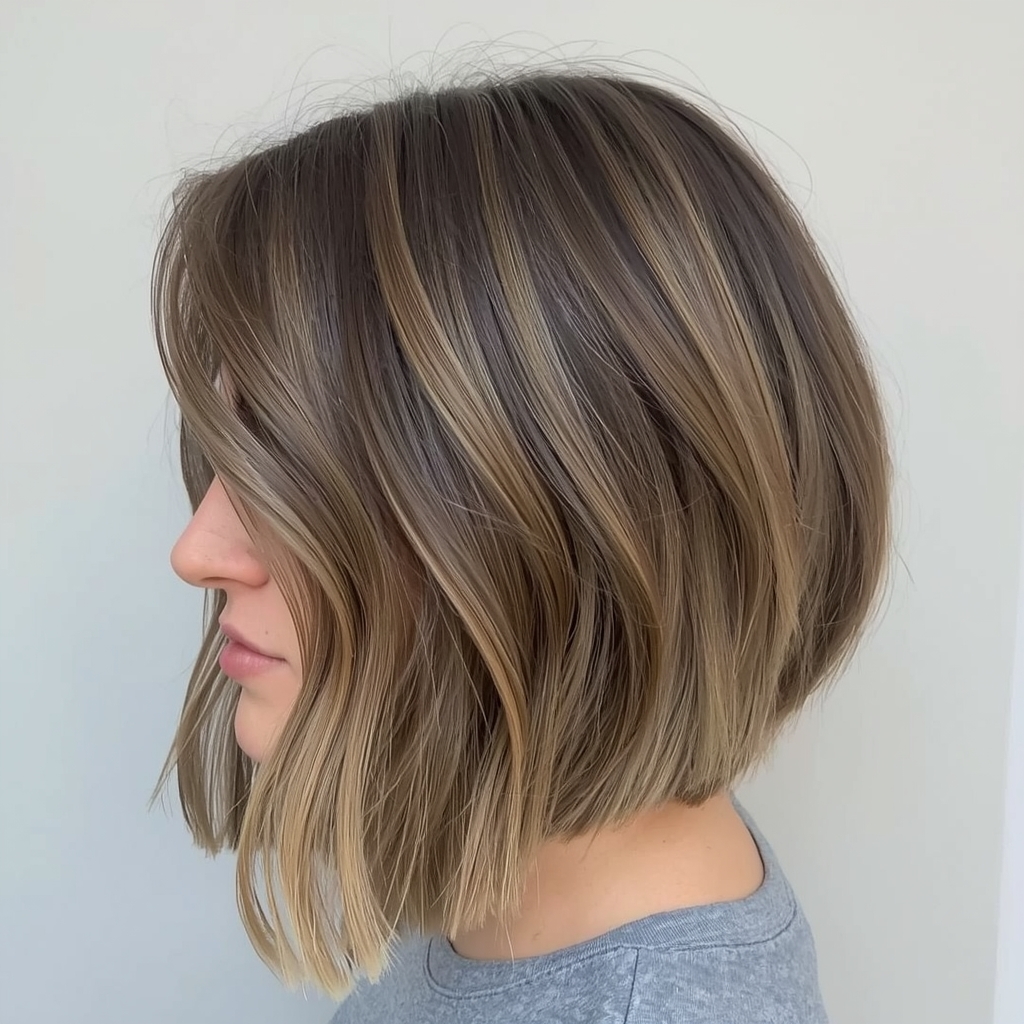
In the fast-paced world of hair trends, where styles often go from “in” to “out” in the span of a single viral video, one haircut has achieved the impossible: permanent residence at the top of the request list. It is the Lob, or the Long Bob.
Neither too short to be considered a “risk” nor too long to be a burden, the lob is frequently referred to by stylists as the “Goldilocks” of haircuts. It is just right. It provides the sophistication of a shorter cut with the styling flexibility of long hair. Whether you are a professional stylist or someone looking for a fresh new look, understanding the nuances of the lob is essential to mastering modern style.
In this comprehensive guide, we will explore why the lob remains the world’s most versatile haircut, how to customize it for your unique features, and the professional secrets to keeping it looking salon-fresh every day.
What Exactly is a Lob?
The term “Lob” is a portmanteau of “Long” and “Bob.” While a classic bob typically terminates somewhere between the earlobe and the chin, a lob is defined by its length hitting somewhere between the jawline and the collarbone.
What makes the lob distinct from “medium-length hair” is its intentional structure. A lob maintains the architectural integrity of a bob—often featuring a slight angle or specific layering—whereas medium hair is often just long hair that hasn’t reached the waist yet. The lob is a choice; it is a deliberate shape designed to frame the face and graze the shoulders.
Why the Lob is the Ultimate Professional Choice
There is a reason why celebrities, CEOs, and busy parents all gravitate toward the long bob. It solves the most common hair dilemmas:
-
The Ponytail Test: Most lobs are long enough to be pulled back into a ponytail or a chic “hun” (half-up bun), making it practical for the gym or a busy workday.
-
The Illusion of Volume: Because the length is shorter, the hair is lighter. This allows for more natural lift at the roots, making it an ideal choice for those with fine or thinning hair.
-
Low Stakes: For those nervous about cutting their hair short, the lob is a “safety” cut. It feels like a transformation without the “hair shock” that can come with a pixie or a chin-length bob.
-
Universality: It is one of the few haircuts that truly looks good on every face shape and every hair texture.
Choosing Your Lob Silhouette
Not all lobs are created equal. Depending on how your stylist cuts the perimeter and the layers, you can achieve vastly different vibes.
1. The Blunt Lob
The blunt lob features a straight-across, “razor-sharp” edge. It is high-fashion, modern, and incredibly sleek. This variation is particularly effective for those with fine hair, as the solid line at the bottom creates the illusion of thickness and health.
2. The A-Line or Angled Lob
This style is shorter in the back and gradually becomes longer toward the front. The angle can be subtle or dramatic. This is a fantastic option for those who want to keep the “feeling” of long hair around their face while enjoying the lightness and volume of a shorter cut at the nape of the neck.
3. The Textured or “Shaggy” Lob
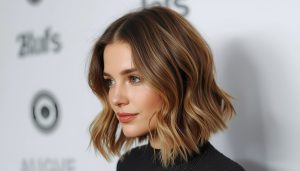
Incorporating choppy layers and feathered ends, the textured lob is the ultimate “cool girl” haircut. It’s designed to look lived-in and effortless. This version works best for those with natural waves or thick hair that needs some of the bulk removed.
Matching the Lob to Your Face Shape
A professional haircut should act as a frame for your face, highlighting your best features and balancing your proportions.
-
Round Faces: To elongate the face, opt for a lob that hits an inch or two below the chin. Avoid heavy bangs; instead, go for a deep side part or long, face-framing layers that create vertical lines.
-
Square Faces: The goal is to soften the strong angles of the jawline. A textured lob with soft, internal layers and a side-swept fringe works beautifully to round out the “boxiness” of a square face.
-
Heart-Shaped Faces: Since heart faces are wider at the forehead and narrower at the chin, a lob with volume at the bottom—perhaps styled with outward-flipping waves—can help fill out the area around the jawline.
-
Oval Faces: If you have an oval face, you have won the hair lottery. You can pull off a blunt lob, a shaggy lob, or a lob with heavy bangs with equal ease.
Hair Texture: Adapting the Cut
For Fine Hair: Keep the layers minimal. Too many layers can make the ends look “scraggly.” A blunt perimeter will keep the hair looking dense and healthy.
For Thick Hair: Ask your stylist for “internal layering” or “weight removal.” This involves thinning out the middle sections of the hair so the lob doesn’t become too “puffy” or triangle-shaped as it dries.
For Curly Hair: The “Lob” is a revelation for curls. It provides enough weight to keep the curls from becoming frizzy but enough shortness to allow them to bounce. Ensure your stylist cuts your hair while dry to account for the “shrinkage factor” of your curls.
How to Style Your Lob Like a Pro
The lob is a canvas for three primary styles: the “Glass” look, the “S-Wave,” and the “Effortless Texture.”
The Sleek “Glass” Lob
-
Apply a heat-protectant smoothing cream to damp hair.
-
Blow-dry using a paddle brush, pointing the nozzle of the dryer downward to seal the cuticle.
-
Finish with a flat iron, taking small sections.
-
Apply a drop of shine serum to the ends to eliminate flyaways.
The “Cool Girl” S-Wave
-
Apply a sea salt spray or texturizing mousse to damp hair.
-
Rough-dry the hair until it is 100% dry.
-
Using a 1.25-inch curling wand, wrap only the middle sections of the hair around the barrel, leaving the ends (about 1-2 inches) straight.
-
Once the whole head is curled, shake it out with your fingers. Do not brush!
The Polished Blowout
-
Use a large round brush to dry the hair, focusing on lifting the roots.
-
At the ends, roll the brush inward toward the chin for a classic, sophisticated finish that mimics the 90s “supermodel” bob.
Maintenance and Upkeep
The beauty of the lob is that its “grow-out” phase is much more graceful than a traditional bob. While a chin-length bob might start to look awkward after six weeks, a lob simply transitions into a medium-length cut.
-
Salon Visits: To maintain the specific “lob” length (grazing the collarbone), plan for a trim every 8 to 12 weeks.
-
Color Pairing: The lob is the perfect partner for Balayage or Ombré. Because the length is shorter, the color transitions are more visible, and the “swing” of the lob beautifully showcases the dimension of hand-painted highlights.
-
Home Care: Invest in a high-quality dry shampoo. The lob looks best when it has a bit of “grip” and volume at the root, and dry shampoo is the secret weapon for maintaining that lift on day two and three.
Conclusion: Why the Lob Wins
In the world of professional hair, the lob is a masterpiece of balance. It bridges the gap between the daring edge of a short cut and the classic femininity of long hair. It is a style that works in the boardroom, on a dinner date, and at the grocery store. If you are feeling stuck in a “hair rut”—where your long hair feels heavy and lifeless, but you aren’t ready for a dramatic change—the lob is your answer. It is a haircut that provides an instant “facelift,” clearing away the weight of dead ends and bringing the focus back to your eyes and smile.
Leave a Reply