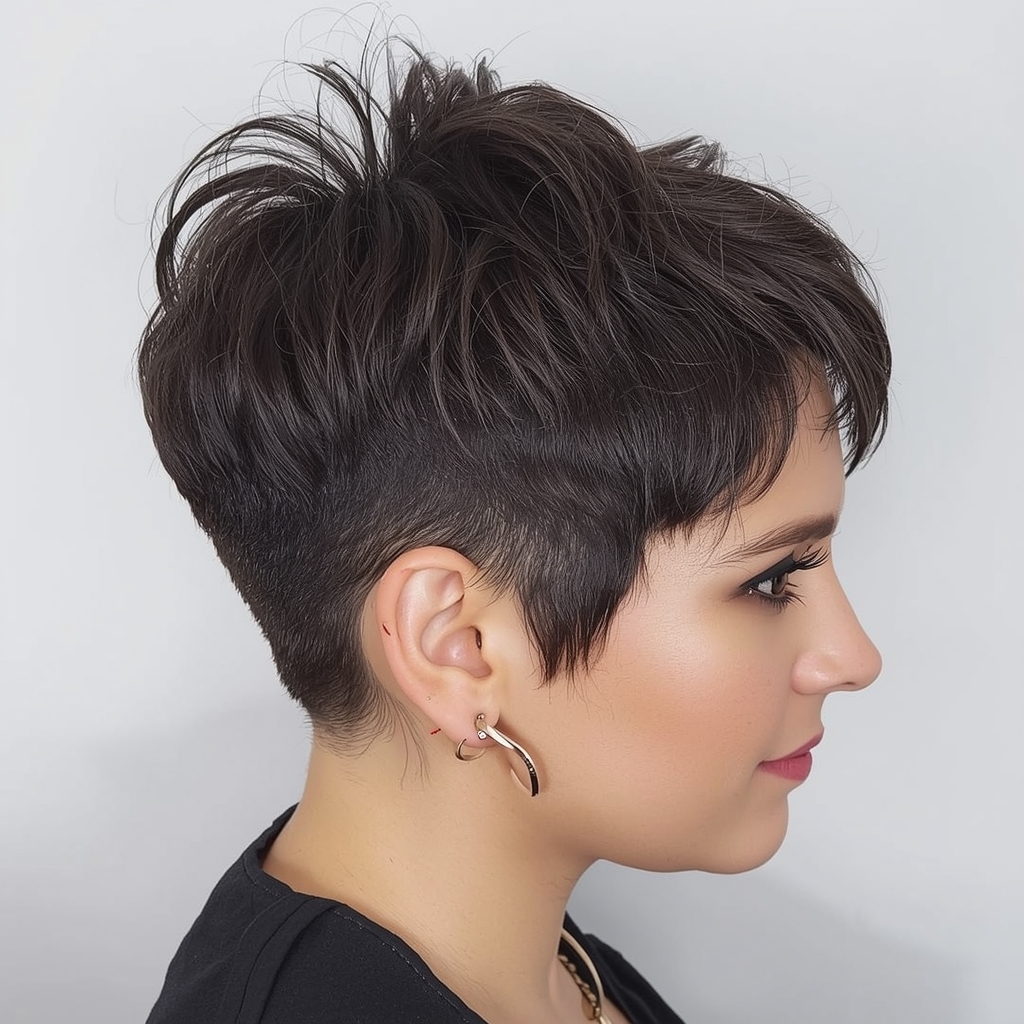
In the global lexicon of style, there is a specific phrase that carries an almost mystical weight: Je ne sais quoi. It describes an appeal that is impossible to define yet easy to recognize—an effortless, unstudied elegance that seems to belong almost exclusively to the streets of Paris. While fashion plays a part in this aesthetic, the true cornerstone of the look is often found in the hair. Specifically, in the French Bob.
The French Bob is not merely a haircut; it is a cultural icon. It is the architectural embodiment of rebellion, sophistication, and ease. Unlike the sleek, polished bobs that often dominate American red carpets, the French Bob thrives on imperfection, movement, and a certain “lived-in” grit. As we move further into an era of beauty that prizes individuality over perfection, the French Bob has re-emerged as the ultimate statement of modern style.
This comprehensive guide explores the history, anatomy, and professional execution of the French Bob, offering everything you need to know about hair’s most enduring classic.
The History: A Century of Rebellion
The French Bob has its roots in the early 20th century, specifically the 1920s. As women began to shed the restrictive corsets of the Victorian era, they also shed their long, laborious tresses. The bob became the calling card of the “Flapper”—a woman who danced, smoked, and voted. Icons like Louise Brooks popularized the sharp, jaw-skimming cut with a heavy fringe, signaling a shift toward the “garçonne” (boyish) look that defined the Jazz Age.
In the 1960s and 70s, the style evolved through the influence of French cinema and music. It became softer and more textured, seen on icons like Anna Karina and Jane Birkin (who, while known for long hair, heavily influenced the fringe aesthetic that accompanies the bob). By the time the film Amélie was released in 2001, Audrey Tautou’s whimsical, chin-length bob with micro-bangs cemented the “Parisian” association in the global imagination.
Today, the French Bob is a favorite of modern style muses like Taylor LaShae, who has proven that the cut can be both vintage-inspired and cutting-edge.
The Anatomy of a French Bob: What Sets It Apart?
While a standard bob can hit anywhere between the ears and the shoulders, a true French Bob has specific parameters that define its silhouette:
-
The Length: A French Bob is traditionally shorter than your average bob. It typically hits right at the jawline or even higher, skimming the mouth. This length is designed to highlight the neck and the “angle of the jaw,” providing a natural lift to the facial features.
-
The Fringe: Almost all French Bobs feature bangs. These are usually cut to the brow line or slightly above, and they are never too perfect. They should look piecey and soft, blending into the side lengths.
-
The “Lived-In” Ends: The hallmark of the French Bob is the texture of the ends. They should not look freshly cut or blunt in a “straight-line” sense. Instead, they appear slightly shattered or “chewed,” giving the impression that the wearer might have trimmed it herself with a pair of office scissors.
-
The Volume: This cut is designed to have a “collapsed” shape at the roots but volume at the sides, creating a slightly rectangular or “bell” shape that frames the face.
Customization: A French Bob for Every Face
As a professional stylist will tell you, the key to a successful French Bob is tailoring the proportions to the individual’s face shape.
-
Round Faces: To avoid making the face appear wider, the bob should be cut slightly below the jawline to create an elongating effect. Adding a bit of height at the crown can also help.
-
Square Faces: To soften a strong jaw, the ends should be heavily textured rather than blunt. A curtain-style fringe that sweeps to the sides can also break up the horizontal lines of the face.
-
Long/Rectangular Faces: This is the “holy grail” cut for long faces. Because the French Bob adds volume at the cheekbones and cuts off the vertical line of the hair at the jaw, it creates a beautiful, balanced proportion.
-
Heart-Shaped Faces: Keep the fringe wispy rather than thick to avoid overwhelming the forehead. The volume at the jawline helps fill out the area around a narrower chin.
The Professional Technique: Razor vs. Shears
The “secret sauce” of the French Bob often lies in the tool used to create it. While shears provide precision, many specialists prefer a straight razor for this specific look.
A razor allows the stylist to “carve” the hair, removing weight from the inside out. This results in a cut that collapses where it needs to (at the nape of the neck) and kicks out where you want it to (at the jawline). Razor cutting also creates those feathered, slightly irregular ends that are essential for that “French” feel. If your hair is particularly curly or prone to frizz, your stylist may use “point-cutting” with shears to achieve a similar effect without disrupting the curl pattern.
Styling the French Bob: Embracing the “Undone”
The greatest appeal of the French Bob is its low-maintenance nature. In fact, over-styling is the enemy of this look. The goal is to look like you’ve just woken up from a nap in a sun-drenched Parisian apartment.
1. The Air-Dry Method
If you have natural waves, the French Bob is your best friend. Simply apply a small amount of sea salt spray or a lightweight curl cream to damp hair, scrunch, and let the air do the work.
2. The Flat Iron “C-Curve”
For those with straighter hair, you can mimic natural movement using a flat iron. Take random sections of hair and create a slight “C” shape—curling the hair toward the face and then flicking it slightly out at the ends. The key is to be inconsistent; if every piece looks the same, you’ve lost the Parisian edge.
3. The Bangs
Bangs should never be “bouncy.” Avoid the round brush. Instead, blow-dry your fringe using your fingers, moving the hair from side to side against your forehead. This ensures they lay flat and look natural.
4. The Finishing Touch
A French Bob looks best on “day two” hair. Use a dry shampoo or a volume powder at the roots to add some grit and lift. If the ends look too dry, a tiny drop of hair oil rubbed between your palms and “scrunched” into the tips will add the right amount of shine.
Color Pairing: Enhancing the Cut
While the French Bob works with any color, it is particularly striking when paired with specific color techniques:
-
Solid Noir or Espresso: A deep, monochromatic dark brown or black emphasizes the architectural silhouette of the cut.
-
Soft Balayage: Subtle, sun-kissed highlights around the face can emphasize the texture and layers of the cut.
-
The Shadow Root: Keeping the roots slightly darker than the ends adds to the “lived-in” aesthetic, making the cut look effortless as it grows out.
Maintenance and the Long Game
Unlike a pixie cut, which requires frequent trims to maintain its shape, the French Bob grows out beautifully. As the length hits the shoulders, it simply transitions into a classic “lob” (long bob) with bangs.
However, to keep the “French” proportions, you should aim for a trim every 8 to 10 weeks. This keeps the length skimming the jawline and prevents the fringe from obstructing your vision.
Conclusion: Why the French Bob?
The French Bob is more than a haircut; it is a philosophy. It suggests that you have more important things to do than spend an hour in front of a mirror. It suggests a life lived with style, but without the stress of perfection. Whether you are looking to reinvent your image, highlight your facial features, or simply simplify your morning routine, the French Bob offers a solution that is as timeless as it is trendy. It is a cut that celebrates the natural texture of your hair and the unique geometry of your face.
Leave a Reply