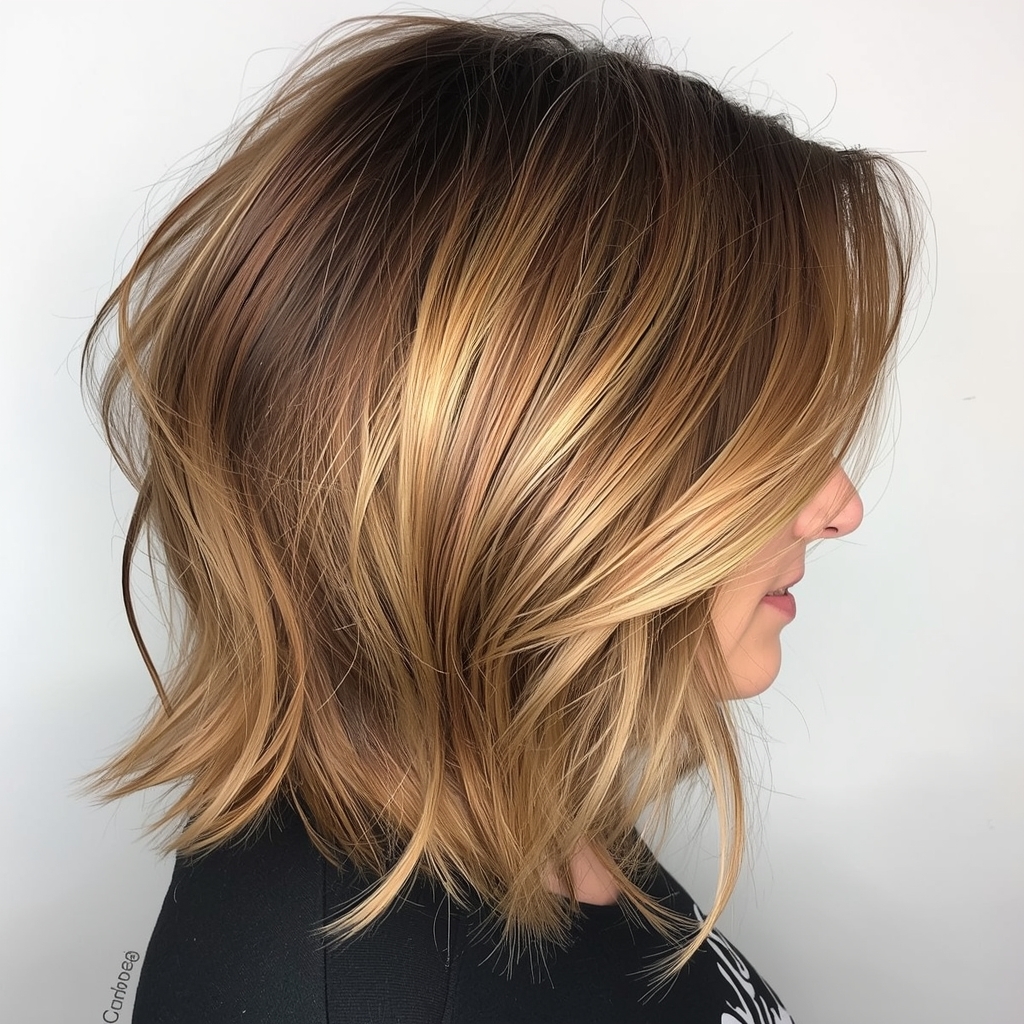
In the world of professional hair design, there is one technique that stands as the ultimate chameleon: The Layered Cut. While fashion trends might pivot from the ultra-sleek to the intentionally messy, the layered cut remains the foundational tool that stylists use to breathe life, dimension, and energy into any head of hair.
If a blunt cut is a statement of architectural precision, a layered cut is a study in fluid motion. It is the secret behind the “perfect” blowout, the key to managing unruly thickness, and the most effective way to give fine hair a much-needed boost of volume. If you’ve ever felt that your hair was “hanging” rather than “performing,” layers are likely the missing ingredient.
What Exactly is a Layered Cut?
At its most basic, layering involves cutting hair at different lengths throughout the head. By pulling sections of hair away from the scalp (elevation) and cutting them, a stylist creates a stacked effect. The shorter pieces—the top layers—provide lift and volume, while the longer pieces maintain the overall length and provide a base.
The beauty of the layered cut lies in its customization. No two layered cuts are identical because they are tailored to the individual’s hair density, texture, and facial structure. It is a bespoke service that transforms hair from a static weight into a dynamic accessory.
Why Layers? The Three Pillars of Benefit
Most women choose a layered cut for one of three primary reasons: weight management, volume, or facial flattery.
1. Removing the “Bulk” for Thick Hair
For those blessed with high hair density, a blunt cut can often result in the dreaded “triangle” shape—where the hair poofs out at the bottom but remains flat at the roots. Layers are the antidote to this. By strategically removing weight from the mid-lengths and ends, a stylist can make thick hair feel lighter, more manageable, and more stylishly “tamed.”
2. Creating the Illusion of Density for Fine Hair
It sounds counterintuitive—cutting more hair to make it look thicker? But for fine, flat hair, layers are transformative. Short, internal layers provide a “scaffolding” that pushes up the longer hair, creating the appearance of body and height at the crown. This prevents the hair from looking limp and lifeless.
3. Face-Framing and Bone Structure
A masterfully executed layered cut acts like non-invasive contouring. By placing layers that start at the cheekbones, jawline, or collarbone, a stylist can draw the eye to your best features. For example, layers that flick inward at the jawline can soften a square face, while long, tapering layers can help elongate a round face shape.
The Popular Varieties of Layering
The term “layered cut” is a broad umbrella. To get the best results at the salon, it helps to know which specific style of layering fits your aesthetic:
-
Long Layers: This is the most popular choice for those who love their length. The layers are subtle and concentrated toward the ends, providing movement without sacrificing the “long hair” look.
-
Face-Framing Layers: These are shorter pieces cut specifically around the front of the face. They often blend into the rest of the hair but are designed to highlight the eyes and cheekbones.
-
Shaggy or Choppy Layers: Inspired by the 70s and 90s, these layers are more dramatic and visible. They are designed to look “undone” and textured, perfect for the “cool-girl” aesthetic.
-
The “Invisible” Layer: Also known as internal layering, these are cut underneath the top section of hair. They provide lift and remove weight without the visible appearance of “steps” in the hair.
Enhancing Color and Texture
One of the most overlooked benefits of the layered cut is how it interacts with hair color. If you have a balayage, ombré, or highlights, a blunt cut can sometimes make the color transitions look “blocked.” Layers, however, allow the light to hit different planes of the hair. This showcases the dimension in your color, making your highlights pop and your lowlights provide depth. In short: if you pay for premium color, you need layers to show it off.
Styling Your Layers: Bringing the Cut to Life
While layers look great air-dried for a natural, bohemian vibe, they truly shine when styled with intent.
-
The Voluminous Blowout: Using a round brush to lift the layers at the root and curl the ends inward or outward creates that classic “salon-fresh” look. The different lengths of hair will fall over one another, creating a bouncy, red-carpet effect.
-
Beach Waves: Layers are essential for the perfect wave. When you use a curling wand on layered hair, the curls don’t all sit at the same level. This creates a more natural, “lived-in” texture that looks effortless rather than stiff.
-
Texturizing Products: To make layers stand out, reach for a sea salt spray or a dry texturizing spray. These products define the individual “pieces” of the cut, emphasizing the movement the stylist created.
Maintenance and Upkeep
The versatility of the layered cut extends to its maintenance. Because the ends are at varying lengths, the “grow-out” period is often more forgiving than that of a blunt bob. However, to keep your layers from looking “shaggy” or unkempt, a trim every 8 to 12 weeks is ideal. This removes split ends that can make layers look frizzy and ensures the “shape” of the cut remains intact.
Final Thoughts
The layered cut is the ultimate tool for personal expression. It is a haircut that works with you, adapting to your hair’s natural tendencies and enhancing your unique features. Whether you are looking to shed the weight of thick tresses or want to inject some “oomph” into fine strands, layers offer a world of possibilities.
Leave a Reply