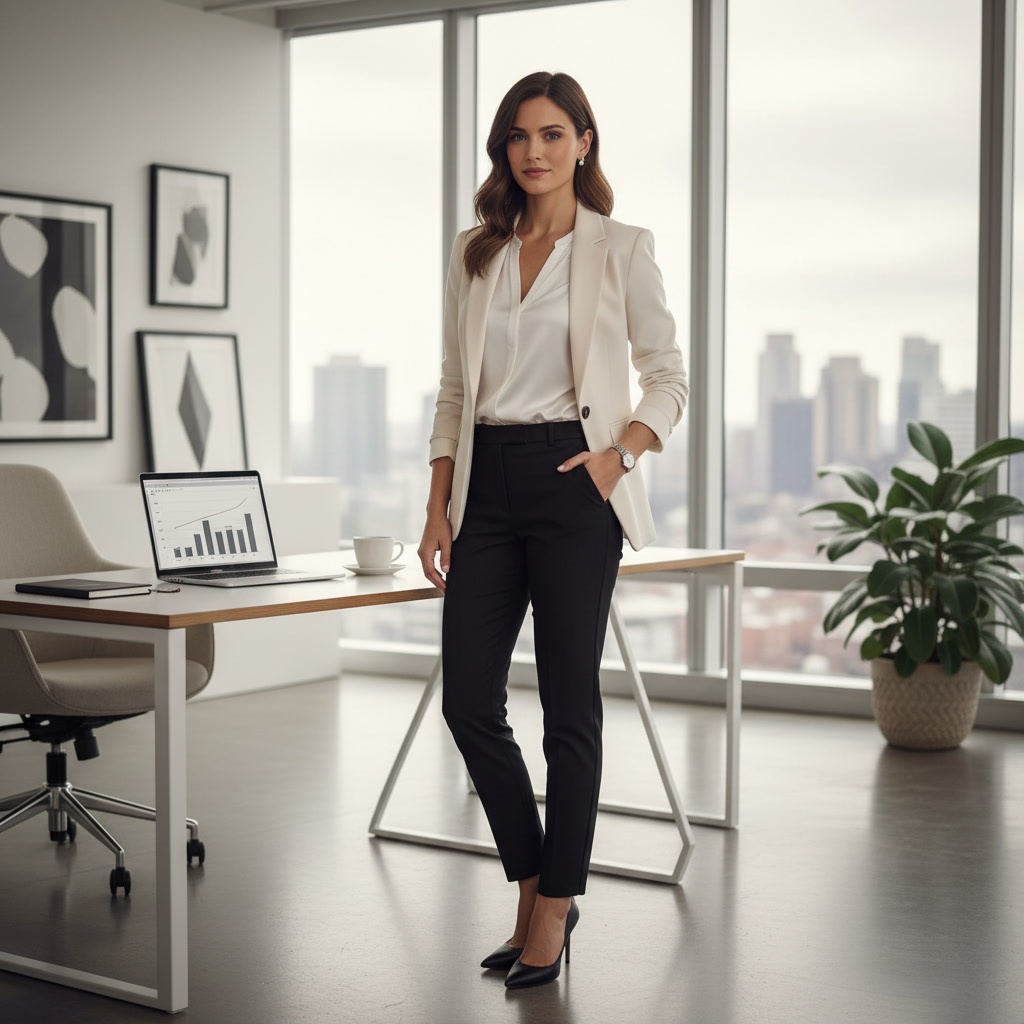
Getting dressed for the office every morning used to feel like a small but constant struggle for me. I’d try something new, step out feeling confident, and then spend the rest of the day adjusting my outfit—pulling sleeves, fixing shoes, or wishing I had chosen something more comfortable.
After a while, I stopped chasing “perfect” outfits and started focusing on practical ones—outfits that look professional but also feel right during long work hours. This article is based on that shift. It’s not about fashion rules; it’s about what actually works in real life.
1. What Office Wear Really Needs (Beyond Just Style)
Early on, I made one big mistake: I treated office wear like formal fashion instead of daily wear.
That led to:
- Stiff fabrics that felt uncomfortable
- Shoes that looked good but hurt after hours
- Outfits that didn’t adapt to temperature changes
Now I use a simple rule:
If I can’t wear it for 8–9 hours comfortably, it’s not an office outfit.
Once I started thinking this way, everything improved—comfort, confidence, and even how I looked.
2. The Basic Formula I Use Every Day
Before getting into outfit ideas, here’s the simple structure I follow:
- Top → blouse, shirt, or smart top
- Bottom → trousers, skirt, or tailored pants
- Layer (optional) → blazer or cardigan
- Shoes → comfortable and clean
This structure keeps things simple and repeatable.
3. Everyday Office Outfit (My Most Used Combo)

This is what I wear most of the time when I don’t have important meetings.
My go-to combination:
- Lightweight blouse or cotton shirt
- Straight-leg trousers
- Flats or low heels
- Optional cardigan
Why it works:
It’s simple, comfortable, and easy to repeat with small changes.
Real-life use:
I’ve worn this for regular workdays, team check-ins, and even casual meetings. It never feels out of place.
Mistake I made:
Trying to create a completely new outfit every day. It wasted time and didn’t improve anything.
4. Smart Casual Office Look (Balanced and Flexible)

If your office allows flexibility, this is one of the most useful styles.
Outfit formula:
- Basic top or blouse
- Blazer or structured jacket
- Dark jeans or trousers
- Loafers, flats, or clean sneakers
Why I rely on this:
It looks polished but doesn’t feel too formal.
Practical example:
I use this for days when I have meetings but don’t need full formal wear. It strikes the right balance.
5. Formal Office Outfit (For Important Days)


For presentations or important meetings, I keep things slightly more structured.
What I wear:
- Crisp button-down shirt or blouse
- Blazer
- Tailored trousers or pencil skirt
- Closed-toe shoes or low heels
What I learned:
You don’t need to dress like this every day. Saving formal outfits for key moments makes them more effective.
Real-world use:
I wear this when I know I’ll be speaking, presenting, or meeting clients.
6. Comfortable Office Outfit for Long Days


Some days are just long—meetings, sitting for hours, or moving around a lot.
My comfort outfit:
- Soft fabric top (cotton or breathable blend)
- Stretchable trousers
- Cushioned flats
- Light cardigan
Why this matters:
Comfort directly affects focus. If something feels off, it stays on your mind all day.
7. Dresses for Office (The Shortcut I Use Often)


On days when I don’t want to think too much, I go with a dress.
Easy combination:
- Midi or knee-length dress
- Blazer or cardigan
- Flats or low heels
Why it works:
It’s a complete outfit with minimal effort.
Real-life example:
I’ve worn the same dress to work multiple times, just changing the outer layer or shoes to make it feel different.
8. Seasonal Adjustments (This Made a Big Difference)
I used to ignore seasonal changes, which made my outfits uncomfortable.
Summer:
- Lightweight fabrics
- Light colors
- Minimal layers
Winter:
- Layering (thermal + sweater + coat)
- Warmer fabrics
Transitional seasons:
- Light jackets
- Flexible layers
Personal experience:
Switching fabrics based on season improved comfort more than buying new clothes.
9. Building a Minimal Office Wardrobe
I used to think I needed a lot of options. Now I keep it simple.
What I actually use:
- 4–6 tops (blouses/shirts)
- 2–3 trousers or skirts
- 1 blazer
- 1 cardigan
- 1–2 dresses
- 1 pair of formal shoes
- 1 pair of daily flats
Why this works:
- Everything matches
- Faster decisions
- Less clutter
Real example:
One white blouse works with multiple bottoms and layers—creating several outfits from one piece.
10. Mistakes I Learned the Hard Way
1. Wearing uncomfortable shoes
They look fine at first but become painful quickly.
2. Ignoring fabric
Heavy or synthetic fabrics feel uncomfortable during long hours.
3. Overcomplicating outfits
Simple outfits often look more professional.
4. Dressing without checking schedule
Your outfit should match your day, not just your mood.
11. Step-by-Step: How I Choose My Office Outfit
Here’s my daily routine:
Step 1: Check my schedule
Meetings → more structured outfit
Regular work → simple outfit
Step 2: Check the weather
Helps decide layers and fabric.
Step 3: Pick base outfit
Top + bottom or dress.
Step 4: Add a layer
Blazer or cardigan if needed.
Step 5: Choose shoes
Comfort always comes first.
Step 6: Keep it simple
If it feels complicated, I change it.
12. Tools That Help Me Stay Organized
A few simple tools made a big difference:
- Google Keep / Notes app → I save outfit combinations
- Weather apps → to plan layers
- Pinterest → for inspiration (but I simplify ideas)
- Wardrobe apps (optional) → to organize clothes
These help me avoid repeating outfit mistakes.
What Actually Improved My Office Style
The biggest change didn’t come from buying new clothes—it came from changing how I think about outfits.
- Comfort first, always
- Simple combinations over complicated ones
- Repeating outfits that work
- Dressing based on the day’s needs
Once I started following this approach, getting ready became much easier.
Closing Thoughts
Office wear for women doesn’t need to be complicated or expensive to work well. The goal isn’t to create a new look every day—it’s to build a system that makes daily dressing easier.
After enough trial and error, I now rely on a few combinations that I know will work no matter what the day looks like. That consistency saves time, reduces stress, and makes me feel more confident walking into work.
At this point, I don’t overthink office outfits anymore. I just stick to what works—and that’s made all the difference.
Leave a Reply to Business Casual for Women What Actually Works From Real Experience – Cancel reply